

The Benefits of a Modern Pellet Stove
Modern pellet stoves provide efficient, affordable heating using byproducts of the lumber industry that would otherwise be thrown away. Their low emissions make them a green alternative to traditional wood stoves.
Pellet stoves have hoppers that hold the fuel, and some also have fans that circulate heat into your living space through forced convection. Think about the number of fuel bags you'll need to keep and how often your stove will need to be filled.
Easy to Use
Pellet stoves are automatic and easy to use, as well as low maintenance they are a good alternative to traditional wood-burning fireplaces. The pellet stoves are made to burn small pellets made from sawdust and wood waste reclaimed during the production of lumber. Certain models also burn biofuels, such as corn kernels or nutshells. The pellets are placed in a hopper, then pumped into the combustion chamber on a regular basis. The hot gases created by this process are then vented through the vent pipe.
A high-quality pellet stove comes with an electronic thermostat as well as an igniter, which eliminates the need for paper and kindling to start an fire. Many models feature advanced functions, such as programmable programs and remote control with WiFi integration. This allows you to monitor and control your heating through your tablet or smartphone.
The stoves can heat your home for up to 30hrs without refills. They are an affordable option for heating that provides a great return on investment. Additionally wood pellet stoves are a sustainable and eco sustainable option that burns the waste products of renewable energy sources instead of fossil fuels.
In addition to lessening your reliance on fossil fuels, pellet stoves can reduce your energy costs and carbon footprint. This is a major selling point for homeowners who are aware of their impact on the environment. In addition, many local governments and utilities offer incentives, rebates or tax credits to homeowners who choose to install energy-efficient heating systems.
Another benefit of pellet stoves is that they consume significantly less gas and energy than traditional fireplaces that burn wood, even when they are running at full power. In addition, they emit considerably fewer particulates than conventional fireplaces made of wood and are more efficient in producing heat. Pellet stoves require less maintenance than traditional fireplaces because they don't have to be replenished with fuel. They can be utilized for a longer duration of time without having to refill the hopper. This is a major advantage for households with limited space and who are looking to make heating easier.
Ease of Maintenance
Pellet stoves are extremely simple to operate and maintain, allowing homeowners to stay warm and cozy in the winter months without having to worry about complicated controls or masonry hearth construction. Pellet stoves have a thermostat they are self-lighting and powered by an auger motorized that is fed with pellets into combustion chambers to ignite them. They're also more efficient than traditional wood-burning stoves, converting a higher proportion of the fuel into usable heat, so they can help reduce energy costs and shrink home heating bills.
Like all heating systems pellet stoves require regular maintenance to function safely and effectively. They must, for example be properly ventilated to prevent the combustion of products and ensure a continuous supply of fresh air during the process of combustion. ventless pellet stove is essential to check and clean the exhaust vent and the air intake of the stove to ensure they are free from obstructions or blocks that might interfere with their function. It is also an excellent idea to use a thermometer for monitoring the temperature of the room, and ensure that the stove is not producing excessive heat and causing overheating of the stove or its surrounding areas.
Many manufacturers offer maintenance kits that help homeowners keep their stoves in good working order throughout the season. The kits include basic cleaning equipment as well as replacement parts like gaskets and ventilation systems to keep your system functioning at its peak. Cleaning the burn pot, ash pan, and glass door on a regular basis to avoid blockages is another regular maintenance task for pellet stoves.
It is also a good idea, in addition to these guidelines for maintenance, to schedule a professional inspection of your pellet stove. This will allow you to pinpoint and address any mechanical issues or safety concerns prior to them becoming major problems. A trained technician will carry out an extensive inspection and cleaning of all components in order to maximize performance and extend the lifespan of your stove. They also can assist with routine maintenance and care tasks, like calibration of controls and sensors that may be beyond the scope of typical homeowner maintenance.
Ease of Installation
Pellet stoves burn compressed wood pellets that are a renewable heating fuel. They are available in a variety of styles ranging from contemporary clean-lined designs to traditional stoves that provide a more refined look. While installation is usually handled by professionals, people with a little carpentry expertise can do the work themselves if they follow manufacturer instructions and local building codes.
Pellets are made from byproducts that would've been thrown away when they were not made. They are a green friendly alternative for propane and natural gas stoves. The wood used in the production of the pellets is from trees that are continually being replanted. This is unlike oil and natural gas. A pellet stove, when properly installed and operated will save significant energy.
Before you install a pellet stove, consider your heating requirements to ensure that you get the best possible performance. Select a model that meets your space requirements. If you have an open plan, for example, pick a stove that comes with various venting options.
Some pellet stoves require an external air ventilation system which funnels exhaust fumes to the outside of the home, while others rely on your chimney to vent the heat. If you choose to go with the latter, a professional will install a chimney liner which is a flexible or rigid pipe that channels exhaust fumes away through a wall flue cap.
Be aware of the BTU capacity of pellet stoves to ensure it can effectively heat your home. Be aware that other factors such as open or closed floor plans, vaulted ceilings, and the amount of rooms you want to heat may affect the BTU requirement. If you plan to make use of the stove for primary heating in a large living space select models with more BTUs.
A freestanding pellet stove requires a floor space and a source of power to run the fan and pellet feed mechanism. It also needs a non-combustible mat that protects against fire. If you are planning to make use of the stove for secondary heating, select a model that has lower BTUs.
Ease of Cleaning
Although pellet stoves can be an alternative that is more convenient than traditional wood stoves use and regular maintenance will ensure they operate effectively, efficiently and safely. A simple cleaning schedule can prevent potential hazards like overheating carbon or creosote accumulation and burning a lot of low-quality pellets, which can cause more soot.
Begin with a thorough inspection of the stove to make sure that all parts are functioning properly. Examine the firebox, heat exchanger and the hopper for ash, soot or any other debris. The blower motor and fan are to be cleaned each month with a paintbrush to dislodge dirt or debris, and a vacuum cleaner to remove the loosened particles. These components are essential for proper combustion and air circulation, so they must be kept clean in order to maximize efficiency.
The heat exchanger is constructed of metal and transfers heat from the burning fuel in the burner to the heated air that enters your home. It is important to keep an efficient and clean heat exchanger to maximize performance and minimize the amount of ash accumulating in the burn pot. Metal scrapers are available in the majority of stove parts stores and online. The process is much safer and more efficient if you employ a scraper in conjunction with a wet/dry vacuum or the ash vacuum.
Smoke can leak into a home if a vent pipe is blocked with soot. Cleaning and checking the vent pipe will help stop this from happening. The same applies to cleaning and inspecting the chimney on a regular basis to prevent blockages.
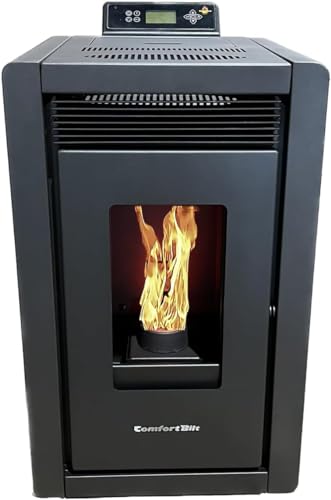
Don't forget to regularly clean the exterior of your stove with an abrasive cloth or heat-safe cleaner. This keeps the stove looking neat and appealing and will ensure that it is performing at its best.
To keep your pellet stove running smoothly, use high-quality wood chips with a low ash content. Choosing low-dust pellets will reduce your general maintenance and cleaning requirements. Additionally, choosing pellets that are certified by the Pellet Fuels Institute (PFI) will increase heating efficiency and reduce costly repairs. By taking these steps, you can lower your energy costs, reduce maintenance and cleaning time and ensure that you get the most from your stove.